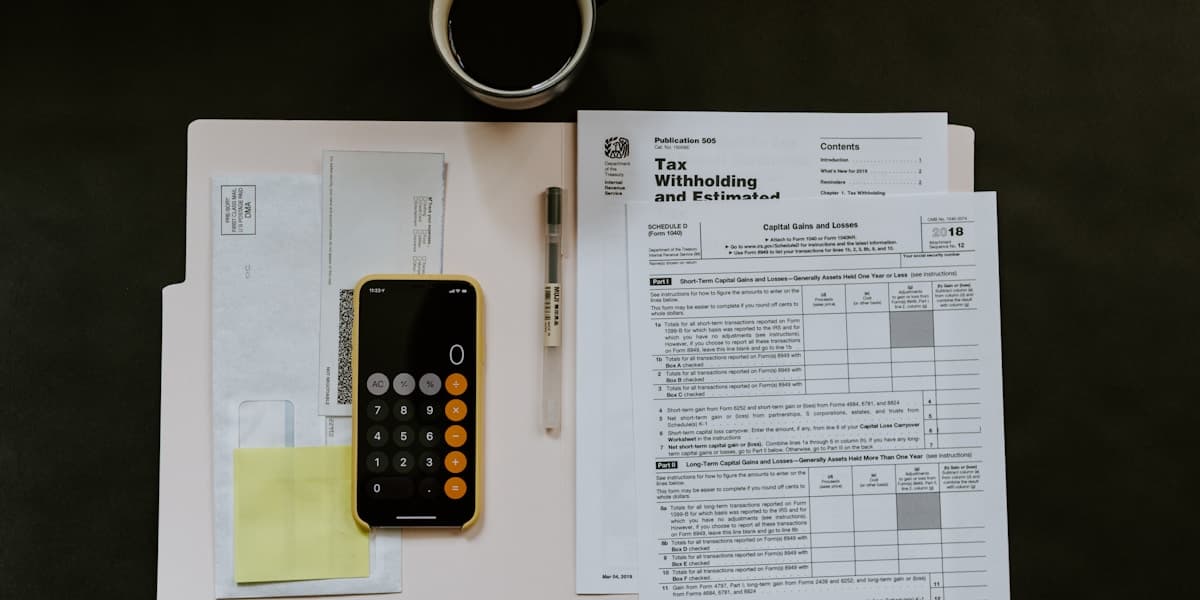
Calculating refinance costs
← Back to Blog

How Much Does It Cost to Refinance a Mortgage?

A breakdown of every fee involved in refinancing, plus how to calculate whether the savings are worth it.

Refinancing your mortgage can save you hundreds of dollars per month and tens of thousands over the life of your loan. But refinancing is not free. Like the original mortgage you took out, a refinance comes with closing costs that you need to factor into your decision. Understanding these costs is the difference between a smart financial move and one that leaves you worse off.

On average, refinancing costs between 1% and 3% of your loan amount. On a $400,000 mortgage, that translates to roughly $4,000 to $12,000 in total fees. The exact figure depends on your loan size, location, lender, and the type of refinance you choose.

Itemized Refinancing Costs

Here is a detailed look at the individual fees that make up your total refinancing cost:

Application Fee

Some lenders charge an upfront application fee ranging from $75 to $500. This covers the cost of processing your loan request. Not every lender charges this fee, so it is worth asking about before you apply.

Loan Origination Fee

The origination fee is what the lender charges for underwriting and processing your new loan. It typically runs between 0.5% and 1.5% of the loan amount. On a $400,000 loan, that is $2,000 to $6,000. This is often the largest single cost in a refinance.

Appraisal Fee

Most refinances require a new appraisal to confirm your home's current market value. Expect to pay between $400 and $700 in Massachusetts, depending on the size and complexity of the property. Some streamline refinance programs, like the FHA Streamline or VA Interest Rate Reduction Refinance Loan, may waive this requirement.

Title Search and Title Insurance

A title search confirms there are no liens or claims against your property. Title insurance protects the lender if a title issue surfaces later. Together, these typically cost between $700 and $1,500.

Credit Report Fee

Lenders pull your credit report as part of the refinance process, and they pass the cost along to you. This is usually $30 to $50, sometimes bundled into other fees.

Recording Fees

Your local government charges a fee to record the new mortgage lien. In Massachusetts, recording fees typically range from $100 to $250.

Prepaid Items

You may need to prepay homeowners insurance, property taxes, and per diem interest from the closing date through the end of the month. These are not technically refinancing fees, but they increase your out-of-pocket cost at closing.

Can You Reduce Refinancing Costs?

Yes. There are several strategies to bring your costs down:

  • Negotiate with your lender. Origination fees, application fees, and some third-party charges can often be reduced. See our guide on negotiating mortgage rates for specific tactics.
  • Shop multiple lenders. Getting quotes from at least three lenders can reveal significant differences in fees and rates. Each lender is required to provide a Loan Estimate within three business days of your application.
  • Ask about a no-closing-cost refinance. Some lenders offer to absorb your closing costs in exchange for a slightly higher interest rate. This can make sense if you plan to sell or refinance again within a few years.
  • Roll costs into the loan. Instead of paying upfront, you can add closing costs to your loan balance. This reduces out-of-pocket expense but increases the total amount you owe.

The Break-Even Calculation

The single most important number in any refinance decision is the break-even point — the number of months it takes for your monthly savings to recoup the closing costs.

The formula is straightforward: divide your total closing costs by your monthly savings. For example, if refinancing costs $6,000 and saves you $200 per month, your break-even point is 30 months. If you plan to stay in your home for at least 30 more months, the refinance makes financial sense.

Keep in mind that this is a simplified calculation. A more thorough analysis would also account for the tax implications of a lower interest deduction, the time value of money, and whether you are extending your loan term. If you are switching from a 30-year fixed mortgage back to a new 30-year term, you restart the amortization clock and may pay more total interest even with a lower rate.

When Refinancing Makes Sense

Refinancing is generally worth it when one or more of the following conditions apply:

  • You can lower your interest rate by at least 0.5% to 0.75%
  • You plan to stay in the home long enough to pass the break-even point
  • You want to switch from an adjustable-rate mortgage to a fixed rate for stability
  • You need to eliminate private mortgage insurance after building enough equity
  • You want to shorten your loan term from 30 years to a 15-year fixed or 10-year fixed mortgage
  • You need to cash out equity for major expenses like home improvements or debt consolidation

When Refinancing Might Not Be Worth It

Refinancing is not always the right call. If you are close to paying off your mortgage, the costs may never be recouped. If your credit score has dropped or your home value has declined, you may not qualify for a better rate. And if you plan to move within a year or two, the break-even math simply does not work.

Before committing to a refinance, it is important to run the numbers with a knowledgeable loan officer who can show you a side-by-side comparison of your current loan versus the proposed new one. This is not a decision to make based on a headline rate alone.

How to Get Started

If you are considering a refinance, the first step is to check current mortgage rates and compare them to the rate on your existing loan. From there, I can run a break-even analysis specific to your situation, walk you through the costs line by line, and help you decide whether refinancing is the right move.

Wondering If a Refinance Is Worth It?

I'll run the numbers for your specific situation and give you a clear answer — no pressure, no obligation.