Most people think of a mortgage as a one-time transaction: you borrow a set amount, close on the loan, and pay it off over time. An open-end mortgage works differently. It functions more like a revolving credit facility secured by your home, allowing you to borrow additional funds in the future — up to a pre-approved limit — without taking out a new loan or going through the refinancing process.
How an Open-End Mortgage Works
When you take out an open-end mortgage, the lender approves you for a maximum loan amount that is higher than the amount you initially borrow. For example, you might borrow $350,000 to buy a home but have an approved limit of $450,000. As you pay down the principal, you build up a reserve of available credit that you can draw from later.
The key feature is that you can re-borrow against the original mortgage without a new application, a new appraisal, or new closing costs. The additional funds are disbursed under the same loan terms — same interest rate, same lien position, same loan agreement.
This structure is most commonly used in states where mortgage recording taxes are high. By structuring the original mortgage with a higher borrowing capacity, homeowners avoid paying those taxes again when they need additional funds.
Open-End Mortgage vs. Closed-End Mortgage
A closed-end mortgage is what most people have. You borrow a fixed amount and pay it down over time. Once you have paid it, you cannot borrow more without a new loan. A 30-year fixed mortgage or a 15-year fixed mortgage are examples of closed-end loans.
An open-end mortgage allows re-borrowing. Think of it as a mortgage with a built-in credit line. The principal balance can go up and down as you draw and repay, within the approved maximum.
Open-End Mortgage vs. HELOC
On the surface, an open-end mortgage sounds similar to a home equity line of credit (HELOC). Both allow you to borrow against your home's equity on a revolving basis. But there are important differences:
- Lien position. An open-end mortgage maintains its first lien position. A HELOC is typically a second lien, which means higher interest rates and subordination to your primary mortgage.
- Interest rate. Open-end mortgages use the rate from your original mortgage for additional draws. HELOCs usually have variable rates that can change monthly based on the prime rate.
- Closing costs. Drawing from an open-end mortgage incurs minimal or no additional closing costs. Opening a HELOC involves its own set of fees, including potential appraisal, title, and origination charges.
- Separate vs. combined. A HELOC is a completely separate loan from your mortgage. An open-end mortgage is a single loan with flexible borrowing capacity.
- Draw periods. HELOCs have a defined draw period (typically 10 years) and repayment period. Open-end mortgages may allow draws throughout the loan term, depending on the lender's terms.
Advantages of an Open-End Mortgage
- Avoid closing costs on future borrowing. Since you draw from an existing loan, you skip the title search, appraisal, and origination fees you would pay with a refinance or new HELOC.
- Save on recording taxes. In states with mortgage recording taxes, the open-end structure can save thousands by covering the full borrowing capacity in the original recording.
- Maintain your first lien rate. Additional draws use the same rate as your original mortgage, which may be lower than what a HELOC or second mortgage would offer.
- Simple process for additional funds. There is no new application or underwriting for additional draws, making access to funds faster and easier.
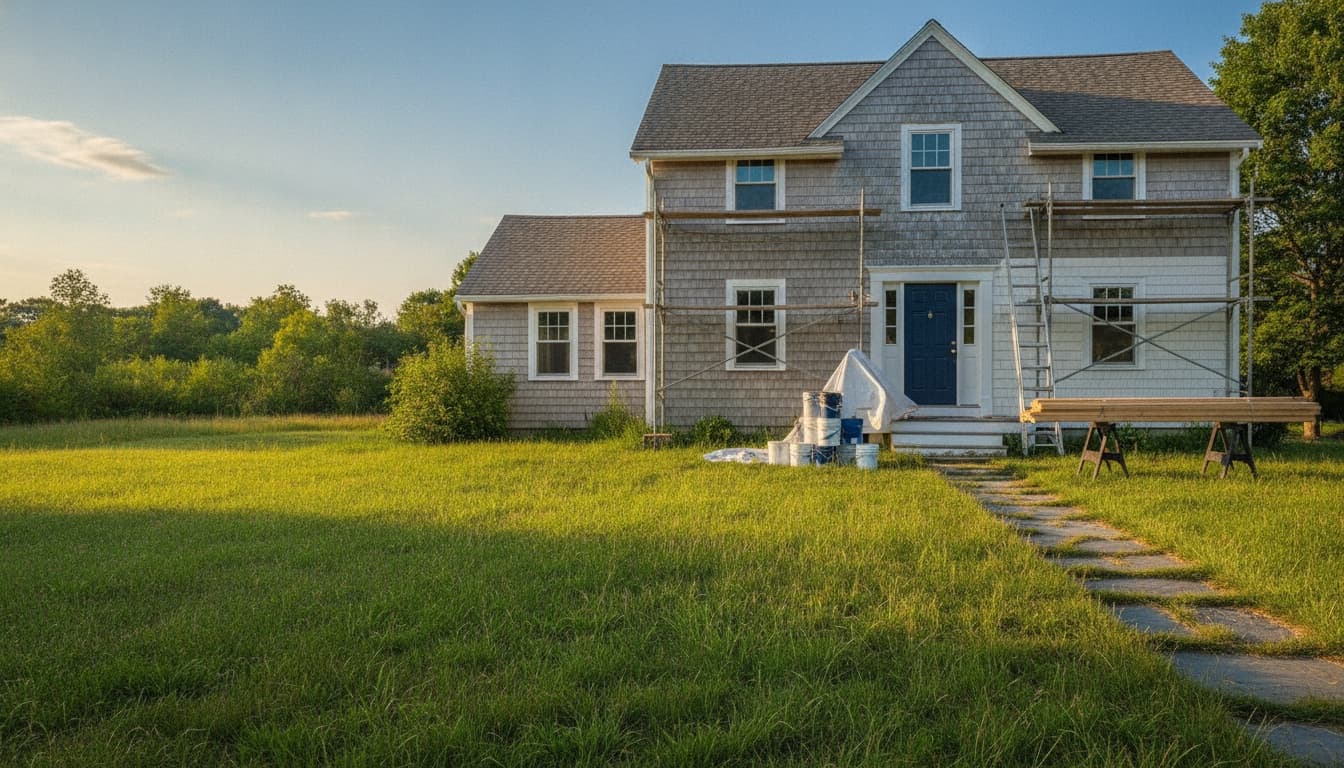
- Flexibility for renovations and improvements. If you are buying a home that needs work, an open-end mortgage can provide future funding for renovation projects without a separate loan.
Disadvantages and Risks
- Temptation to overborrow. Easy access to additional credit can lead to borrowing more than necessary, increasing your overall debt load.
- Higher initial recording costs. The original mortgage is recorded at the maximum amount, so upfront recording taxes and fees may be higher.
- Limited availability. Not all lenders offer open-end mortgages, and they are more common in certain states. Many mainstream mortgage programs use closed-end structures exclusively.
- Equity risk. Re-borrowing increases your loan balance and reduces your equity. If home values decline, you could end up owing more than the home is worth.
- Lender restrictions. Some lenders impose conditions on additional draws, such as maintaining a minimum equity percentage or meeting credit requirements at the time of the draw.
Who Should Consider an Open-End Mortgage?
Open-end mortgages can be a smart choice in specific situations:
- Homebuyers planning renovations. If you are purchasing a home that needs significant work over time, an open-end mortgage provides a built-in funding source.
- Buyers in high mortgage-tax states. The savings on recording taxes alone can justify the open-end structure.
- Financially disciplined borrowers. If you will only draw when truly needed and have a plan to repay, the flexibility is valuable.
- Investors managing multiple properties. Real estate investors who regularly need access to capital for new acquisitions or property improvements can benefit from the revolving feature.
Is an Open-End Mortgage Right for You?
For most homebuyers in Massachusetts, a standard closed-end mortgage — whether a conventional loan, FHA loan, or VA loan — is the most straightforward path to homeownership. But if your situation calls for future borrowing flexibility and you want to avoid the costs of a separate second loan, an open-end mortgage deserves consideration.
The best approach is to discuss your short-term and long-term financial goals with a loan officer who can evaluate whether this structure makes sense for your specific situation. Every borrower's needs are different, and the right mortgage structure depends on the full picture.